- Soulxscape's Newsletter
- Posts
- Poem #003
Poem #003
The Drunkenness of the Moon: A Poem on Lost Love

Soulxscape writes
February 19, 2025
Welcome Back, Soulxscapers!
Last time, we explored the theme of love's transformation, reflecting on F. Scott Fitzgerald's I See You Want to Know and how love matures over time. We saw how love, like us, has layers—starting as an intense fire and, over time, becoming a steady warmth. Today, we dive into the sorrow of love lost, the emptiness that follows, and the wistful longing for what once was.
Poem
Featured Poem: "The Drunkenness of the Moon" by W. B. Yeats
The drunkenness of the moon
Is just as innocent as the song
Of a thrush in the wild night air,
Or the laughter of a child that runs
Through a garden where the roses grow.
But I have lost the love of the one
Who once was mine, and gone away
Like the autumn leaves that flutter down
At the coming of the winter's day.
The drunkenness of the moon
Is like the beauty of love we knew,
Before the turning of our hearts,
Before the bitter winds that blew,
That chilled us to the soul's deep core,
And left us longing evermore
For the love that could have been,
But never will be again.
The Meaning of the Poem
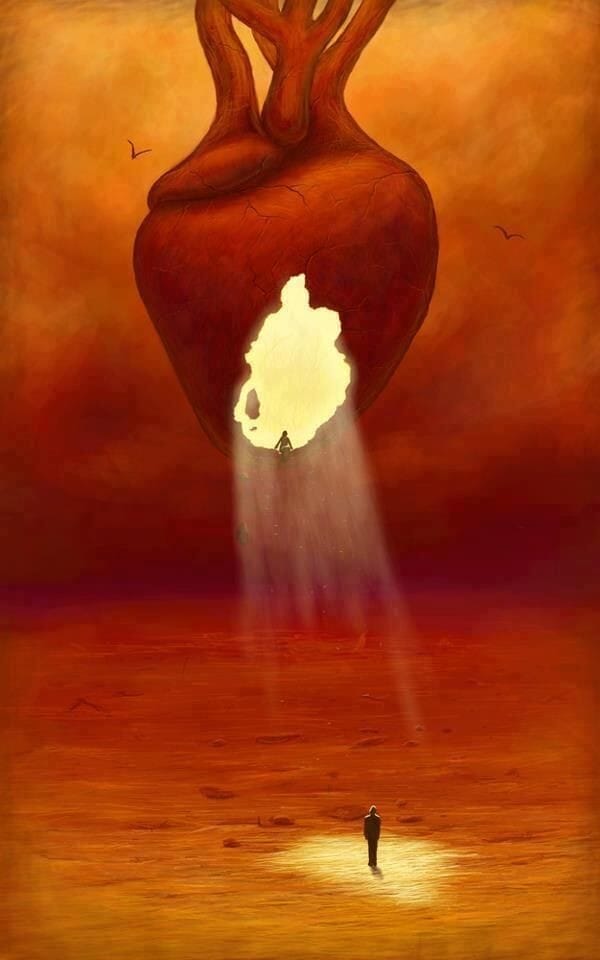
Yeats’ The Drunkenness of the Moon speaks to the bittersweet nature of love lost. The imagery of the moon, seemingly intoxicated with its own beauty, mirrors how love can sometimes feel pure and overwhelming. In its innocence, love can seem timeless, just like the moon’s glow that captivates the night sky. But as with the passing of seasons, love often fades, leaving behind the lingering memory of what once was.
The poet contrasts the fleeting nature of love with the permanence of loss. The autumn leaves that fall at the coming of winter symbolize how things once vibrant and full of life can slowly dissipate, leaving an aching emptiness. This emptiness is not merely the absence of a loved one but the space where love once lived, now cold and distant, much like the winter’s chill. The shifting of hearts, symbolized by the bitter winds, speaks to the emotional withdrawal that comes with the end of a relationship.
Ultimately, Yeats captures the paradox of beauty and sorrow intertwined in loss. The moon’s drunkenness represents the fragility of what we hold dear, suggesting that even the most beautiful moments are susceptible to time and change. Through this, the poem reminds us that loss, while painful, is a natural part of love’s journey. The beauty of what was is preserved in memory, but we must learn to navigate the quiet sorrow that accompanies its fading.
How It Resonates with Us
This poem resonates deeply with anyone who has experienced the fleeting nature of love. The image of the moon, once radiant but slowly fading, captures the feeling of watching something beautiful slip away. We've all felt that rush of intense emotion when a love is new, only to find that, as time passes, it becomes more distant. The moon’s drunkenness represents how we sometimes get lost in love, and the eventual return to reality can leave us with a sense of longing for something that can never be quite the same again.
The depiction of falling autumn leaves and the onset of winter mirrors the emotional shifts that come with loss. Just as we mourn the changing seasons, we often mourn the changes in our relationships—the softening of the bond, the disconnection that builds over time. This is something everyone can relate to, as love’s evolution can sometimes feel like a gradual cooling of warmth. We often look back, wishing we could relive the early days of a relationship, when everything felt fresh and alive. Yeats captures that longing perfectly, reminding us that while we may want to hold on to love forever, it’s the passage of time that often leads us to let go.
Lastly, Yeats’ juxtaposition of beauty and sorrow speaks to the complexity of our emotions when we experience loss. We don’t simply grieve; we also cherish what was once there—the moments, the connection, the intensity. The moon’s fading light symbolizes how we cling to the beauty of what has passed, even as it leaves a bittersweet ache behind. The poem invites us to recognize that loss is a part of the emotional spectrum, teaching us to value the moments of love we’ve had and allowing us to find peace in the natural process of letting go.
Deep Questions to Reflect On
How do you cope with the lingering feeling of something or someone lost?
What memories of love do you cherish, even as time moves on?
In what ways has love shaped you, even after it’s gone?
How can we honor what we’ve lost without allowing it to consume us?
Answering the Questions
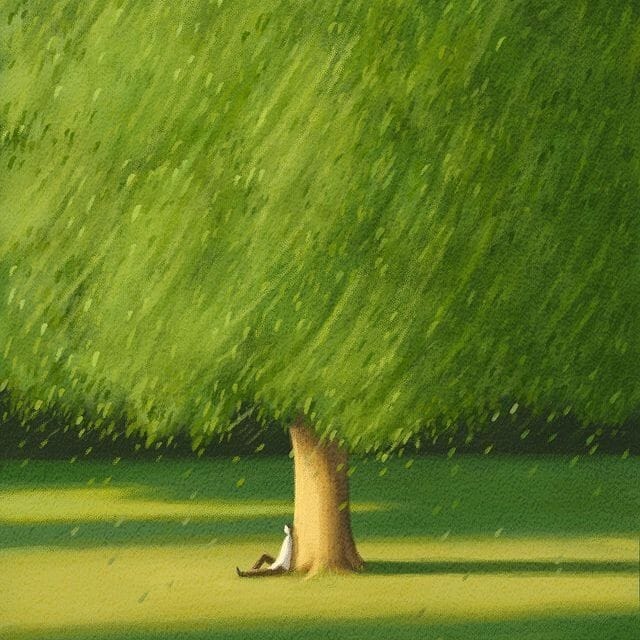
Loss is inevitable, and with it comes the grief of letting go. But through reflection, we can acknowledge the beauty that once was without allowing it to define us. Just as Yeats shows us, loss can leave us with a deep yearning for something that can never return—but it can also shape the way we move forward, remembering love in its purest, most innocent form.
Actionable Steps for Healing and Reflection
Embrace the Feeling of Loss: Take a moment to sit with your emotions, acknowledging the grief without rushing past it.
Honor the Memory: Reflect on the love you’ve lost—what lessons did it teach you? What beauty did it bring into your life?
Release What’s Gone: Let go of the weight of unfulfilled longing. Recognize that while what you lost will always be a part of you, it doesn’t define your future.
Cultivate New Growth: Create space for new experiences and connections. Understand that while some things are meant to fade, new possibilities await.
Closing Thoughts: The Beauty of Letting Go
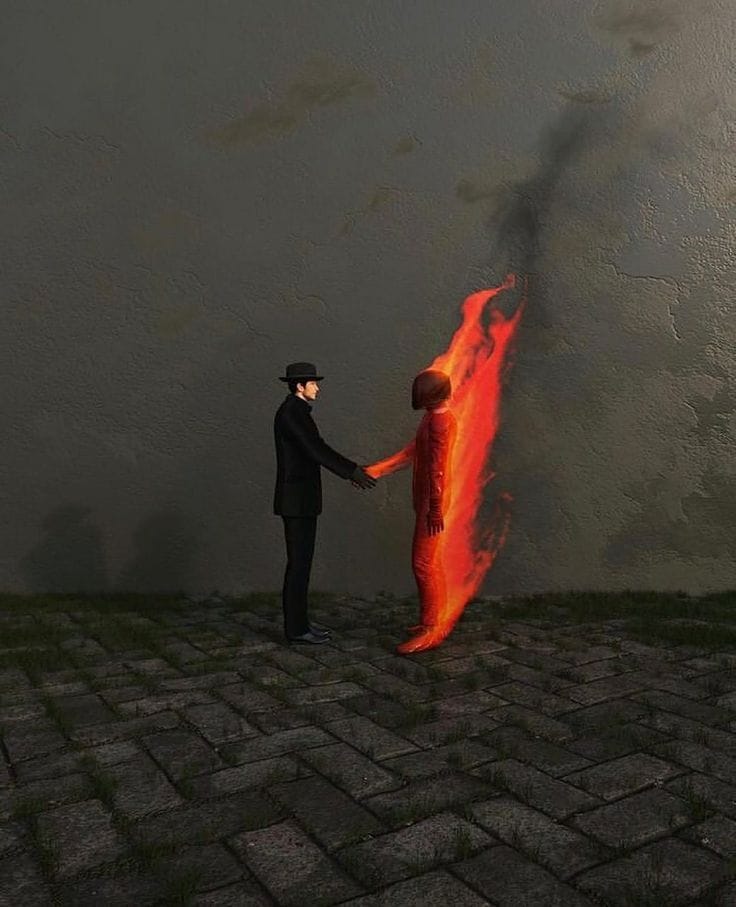
Much like the fading glow of the moon, love that is lost can feel like a distant dream—beautiful, fleeting, and impossible to hold onto. But just as the winter gives way to spring, there is always room for new beginnings. Honor the love you’ve lost, and trust in the journey that still lies ahead.
Stay tuned for the next newsletter,I wonder will what new lesson well learn?
Reply